
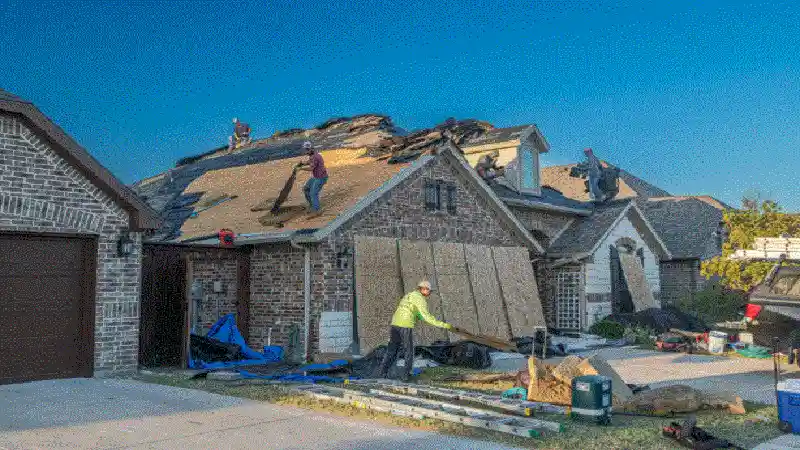
Architectural shingles have completely reshaped the roofing market. Homeowners no longer want the thin, flat, basic look of three-tab shingles. They want depth, dimension, durability, and something that actually elevates curb appeal rather than simply covering the house. Photo by Ryan Stephens.
Architectural shingles deliver all of that with a design that mimics high-end materials without the premium price tag. They offer better weather resistance, longer lifespans, and richer textures, all important factors for anyone planning a major upgrade or replacing an aging roof.
These shingles aren’t a trend. They’re the new standard because they balance beauty and performance in a way traditional materials simply don’t. Whether you’re preparing your home for resale or investing in long-term protection, they bring immediate and lasting value.
What Makes Architectural Shingles Different?
Architectural shingles, also known as dimensional shingles, are thicker and heavier than standard three-tab shingles. They’re constructed with multiple layers of asphalt fused, creating a sculpted appearance that adds character to any home style.
Unlike three-tab shingles, which have a uniform shape, architectural shingles vary in size and profile. This variation gives them a multi-dimensional look, especially when sunlight hits the roof. The layered design also makes them far more resistant to high winds, cracking, and granule loss.
Beyond aesthetics and durability, architectural shingles also offer:
- Higher impact resistance
• Improved performance in harsh weather
• Longer warranties from manufacturers
• ALGAE-resistant options for humid climates
Their versatility makes them a favorite for both contemporary and traditional homes.
Durability: The Strength Homeowners Actually Notice
Most homeowners don’t want to think about roofing every few years. Architectural shingles solve that problem by offering a significantly longer lifespan than basic shingles. Many last 25 to 30 years or more when installed correctly.
Their improved thickness makes them less vulnerable to wind uplift. This matters in regions with unpredictable storms, strong gusts, or seasonal weather swings. The layered construction also helps reduce the chances of curling, cracking, or losing protective granules, issues that commonly plague cheaper shingles.
Moisture resistance is another advantage. Architectural shingles maintain their shape better over time, lowering the risk of leaks and moisture intrusion that can weaken roof decking and attic structures.
Better Weather Protection for Year-Round Comfort
Architectural shingles are engineered to handle varying conditions without the constant wear that affects thinner shingles.
In Cold Climates
The additional weight and layered design help them sit firmly against the roof deck, resisting cold-weather brittleness and reducing shingle blow-off during winter storms.
In Hot Climates
The thicker, denser composition holds up better under intense sun exposure, preventing premature aging, blistering, or thermal cracking.
In Humid or Coastal Areas
Many manufacturers offer algae-resistant shingles, a major advantage in moisture-heavy regions. These shingles stay cleaner longer, improving curb appeal and limiting long-term staining.
Their flexibility across climates makes architectural shingles a universally reliable choice.
Style and Curb Appeal: A Roof That Actually Looks Expensive
Architectural shingles give the home a richer, more upscale exterior without stepping into ultra-premium roofing categories. Their dimensional design mimics the look of cedar shakes or natural slate, offering dramatic shadows and visual depth.
Most homeowners underestimate how much the roof contributes to curb appeal. Because architectural shingles come in a wide spectrum of colors and blends, they allow you to fine-tune your home’s aesthetic. Whether you want warm earth tones, cool modern grays, deep charcoal, or blended multicolors, the options are extensive.
A well-designed architectural shingle roof transforms the entire look of the home from outdated to refreshing and contemporary.
Energy Efficiency: A Hidden Advantage
While not always marketed as energy-efficient products, many architectural shingles come with reflective granule technology that reduces heat absorption. This helps maintain a cooler attic, lowers strain on HVAC systems, and can contribute to energy savings, especially during long, hot summers.
Paired with proper attic ventilation, these shingles create a healthier, more balanced environment inside the home. A cooler attic means less moisture accumulation, fewer mold risks, and better overall roof performance.
Installation: Why Professional Work Is Non-Negotiable
Architectural shingles are only as good as the installation behind them. Their layered structure requires precise alignment, correct fastening, and proper underlayment to ensure long-term performance. Poor installation negates the benefits, shortens their life, and increases the risk of leaks.
Working with a trusted Suffolk County roofing contractor ensures the shingles are installed according to manufacturer specifications, including ventilation setup, ice and water shield placement, and flashing integration. Experienced contractors also help match the right shingle type and color to your home’s architecture, guaranteeing both functionality and aesthetic harmony.
Professional installation also protects your warranty. Many manufacturers void warranties if shingles are improperly installed, which makes choosing a qualified contractor critical.
Comparing Architectural Shingles to Other Roofing Materials
Homeowners often weigh architectural shingles against other common options. Here’s how they stack up:
Three-Tab Shingles
Cheaper upfront, but far less durable. Shorter lifespan, less curb appeal, and more maintenance over time.
Metal Roofing
Longer lifespan and extremely strong, but higher cost and louder during heavy rain unless insulated correctly.
Wood Shakes
Beautiful but high-maintenance.
Slate
Premium look with unmatched longevity, but prohibitively expensive for many homeowners, and extremely heavy.
Architectural shingles sit at the sweet spot: elevated appearance, strong performance, and reasonable cost.
Maintenance Tips to Maximize Lifespan
Architectural shingles require little maintenance, but a few simple habits preserve their quality:
- Keep gutters clean to prevent water buildup
• Trim nearby tree branches to avoid abrasion
• Schedule periodic roof inspections
• Clear debris from valleys and roof edges
• Check flashing after storms
Because architectural shingles are thicker and more resilient, they naturally resist aging better than cheaper materials, but ongoing care still matters. See more.