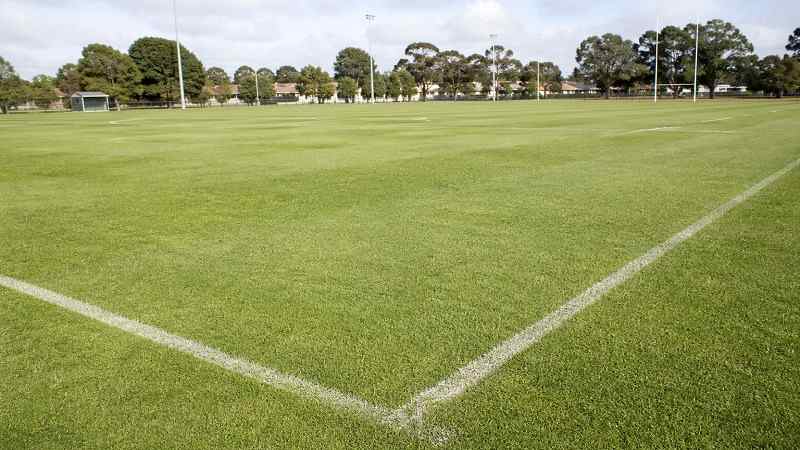
In the competitive world of residential property development, the quality of community infrastructure is a primary driver for land sales. When potential buyers walk through a new estate, they aren’t just looking at the house lots; they are envisioning a lifestyle. Central to that lifestyle is the local park or community sports oval. However, a lush green field that looks perfect on opening day can quickly become a muddy, patchy liability if the underlying engineering hasn’t been prioritised. This is when sports turf construction shifts from a landscape activity to a civil engineering activity.
For developers, the goal is to create assets that add value without becoming a continuous drain on resources. The key is to construct for the long haul; this strategy translates to reduced sports field turf maintenance demands for whoever eventually manages the field, such as the local council or a community group.
Why drainage is a non-negotiable
The most common cause of sports turf failure isn’t actually the grass itself—it is what happens beneath the surface. Water management is the single most important factor in determining the lifespan of a playing field. Without a sophisticated drainage system, even a light rain event can take a field out of action for days, leading to cancelled games and frustrated residents.
Sub-surface engineering
Smart construction incorporates a tiered drainage strategy. This is most often a series of lateral drains that carry water away from the playing surface to a main collector pipe. More advanced systems usually incorporate a “perched water table.” This system usually consists of a layer of gravel capped by a particular grade of sand. This layer allows rapid movement of excess water through the profile while holding just enough moisture for the grass roots.
Preventing the “Mud Map”
When water sits on the surface, the soil becomes saturated and loses its structural integrity. If athletes play on this “soft” ground, they create deep divots and soil compaction. This not only destroys the aesthetic of the estate’s open space but also creates a safety hazard. Proper drainage ensures the surface stays firm, keeping the field open for more hours of the year.
Soil composition and the sand-base advantage
Standard garden soil is simply unsuitable for a community sports field. The soil is excessively clay-rich and organic, leading to compaction issues. A sand-based root zone is the ‘gold standard’ for a high-use area that will last.
- Resistance to Compaction: Sand particles are not cohesive like clay. Air pockets (macropores) remain in the soil, allowing oxygen to reach grass roots even after high-use periods.
- Consistency: The sand profile also leads to a consistent playing surface. If a developer is paying for this, they expect a level field that looks and feels professional, rather than a series of “bowls” that develop over time.
- Nutrient Management: Although these soils do not retain nutrients as readily as loam, precise irrigation and slow-release fertilisation schedules during construction have led to a more predictable growth pattern.
Selecting the right turf for longevity
Choosing a turf variety isn’t just about the shade of green. It’s about “wear tolerance” and “recovery rate.” In the Australian climate, warm-season grasses are typically the most sustainable choice for high-traffic estates.
Modern Couch and Kikuyu varieties have been bred specifically for their ability to self-repair. They spread via runners (rhizomes and stolons), meaning a small scar on the surface will naturally “knit” back together without needing manual returfing.
For areas expected to face extreme intensity—such as goal mouths or cricket run-ups—hybrid turf is an emerging solution. This involves weaving synthetic fibres into the natural grass root zone. The fibres act as a skeleton, protecting the crown of the natural grass from being torn out, while the natural grass provides the cooling and aesthetic benefits that buyers love.
Safety and performance
A durable field is a safe field. Consistent surfaces reduce the risk of ankle and knee injuries caused by uneven ground or slippery mud. For a developer, providing a safe, high-quality amenity reduces the risk of complaints and enhances the estate’s reputation as a premium place to live.
Open spaces are the lungs of a new residential development. These spaces remain assets only if they can withstand the rigours of daily use. Designing for durability is about understanding the intersection of biology and engineering. By prioritising subsurface drainage, choosing the right soil medium, and selecting resilient turf varieties, you create a sports field that remains a vibrant, green centrepiece for decades. In the long run, smart construction isn’t just an engineering choice; it’s a financial one that ensures the estate remains as attractive to the hundredth buyer as it was to the first.
See more.