Key Takeaways
- Flexible workspaces are becoming essential for accommodating various work styles.
- Integrating wellness and ergonomic designs promotes employee health and satisfaction.
- Technology integration streamlines operations and fosters innovation.
- Sustainable practices in office design contribute to environmental responsibility.
- Personalized work environments cater to individual preferences, boosting morale.
Table of Contents
- Flexible Workspaces
- Wellness and Ergonomics
- Technology Integration
- Sustainable Practices
- Personalized Environments
- Conclusion
In today’s rapidly changing business landscape, companies are embracing new approaches to designing and managing their office environments. As the boundaries of traditional work settings fade, organizations are increasingly blending flexibility, wellness, sustainable initiatives, and technological advancements to elevate the employee experience. For an in-depth look at commercial office opportunities and inspiring property examples, visit site. These innovations not only make workspaces more adaptive but also foster productivity and well-being.
Staying attuned to these evolving trends is vital for attracting top talent, maximizing operational efficiency, and supporting a positive organizational culture. Businesses leading this transition are creating offices that cater to both communal needs and individual preferences, making the workplace a source of engagement rather than obligation. Workplace design is no longer just about maximizing square footage; it is about creating environments where people genuinely want to work, collaborate, and innovate.
By adopting flexible workspaces, prioritizing wellness and ergonomic standards, integrating the latest technologies, championing sustainable practices, and offering personalization, companies stand to gain a significant competitive edge. These strategies respond not only to the demands of the modern workforce but also help future-proof organizations against rapid changes in how, when, and where work happens.
Companies that have invested in thoughtful design report higher employee retention rates, improved satisfaction, and enhanced brand image. By prioritizing these trends, business leaders ensure that their spaces drive success and reflect a commitment to their team’s health and the planet’s well-being.
The growing need for a people-focused environment and ongoing shifts in how work is approached further illustrate why businesses are rethinking traditional layouts. The next generation of office space is not just about desks and cubicles. It is an ongoing experiment in balancing collaboration with individual freedom.
Flexible Workspaces
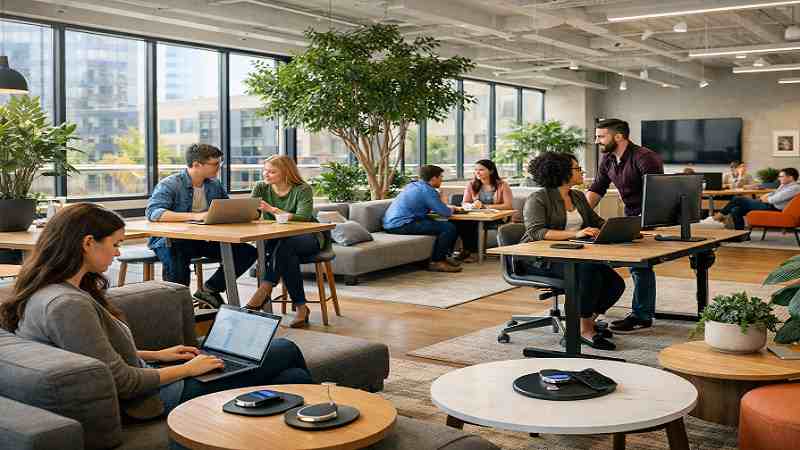
With more organizations adopting hybrid and remote work models, the concept of a flexible workspace has taken center stage. Modern offices often feature unassigned seating, multi-purpose areas, and zones designed to support various working styles. These configurations allow employees to choose the setting that best fits their task—whether it’s collaborative brainstorming or focused solo work.
Flexible space providers are increasingly acting as partners to businesses striving for agility. Many enterprises see value in leveraging revenue-sharing arrangements with landlords, while others are experimenting with short-term leases or on-demand use. Community-oriented designs also play a critical role in fostering a sense of belonging and interconnectedness across teams. According to Fast Company, these arrangements can support both creativity and wellness while optimizing real estate investments.
Moreover, companies are experimenting with modular furniture and easily reconfigurable layouts that support a range of tasks and group sizes. From communal lounges to focus pods, these environments offer a dynamic, people-first approach. Businesses are realizing that agility within the workspace itself is key to responding to both market shifts and employee needs. The flexibility of these spaces also allows for seamless integration of remote staff and brings in opportunities for expanding collaboration across geographies. As the workplace continues to evolve, flexibility remains a top priority, encouraging creativity and supporting diverse work styles under one roof.
Wellness and Ergonomics
Putting employee health at the center of design decisions leads to a happier, more productive workforce. Height-adjustable desks, active seating options, and flexible break areas also address ergonomic needs, allowing employees to work comfortably for longer periods.
Organizations are also increasingly considering inclusivity in workspace design, making their offices accommodating to people with diverse needs. This shift not only increases employee satisfaction but can also significantly impact retention rates.
Furthermore, companies are investing in wellness programs that go beyond the physical environment by offering access to mental health resources, fitness classes, and corporate wellness initiatives. Emphasizing holistic wellbeing supports both physical and mental health, helping employees feel valued and energized throughout the workday. This well-rounded approach signals a deeper organizational commitment to supporting staff, both at work and beyond, fostering a more loyal and motivated workforce.
Technology Integration
The integration of smart technology is reshaping office environments. Furniture now often features built-in charging solutions, wireless connectivity, and cable management to minimize clutter. Intelligent sensors can monitor foot traffic, optimize lighting and temperature, and collect valuable data for facilities management. With trends like touchless entry and automated meeting spaces, employees experience seamless transitions between virtual and physical collaboration.
Many forward-thinking organizations also leverage digital workplace platforms that enhance communication, project tracking, and resource booking, further bridging the gap between distributed teams and physical office space.
This digital shift helps create an agile workforce that can readily adapt to new tools and processes as they emerge. Offices equipped with cutting-edge video conferencing systems, interactive whiteboards, and mobile connectivity empower teams to innovate without barriers. Real-time data collection and analytics further enable data-driven decision-making, allowing leaders to fine-tune both operations and the work experience to ensure ongoing growth and satisfaction among employees. Seamless technology adoption continues to play a pivotal role in the success of modern offices worldwide.
Sustainable Practices
Sustainability is no longer merely a buzzword; it is now a core part of office design strategy. From recycled furnishings to energy-efficient lighting and HVAC systems, companies are finding creative ways to reduce their carbon footprint. Incorporating indoor plants and green roofs not only purifies air but also supports employee well-being.
A growing number of businesses also repurpose underused properties, transforming old office buildings into mixed-use spaces or residential units. These adaptive approaches align workplaces with a more responsible, holistic view of community and environmental stewardship.
By implementing water conservation measures, using environmentally friendly materials, and promoting recycling programs, companies can significantly minimize their environmental impact. Investing in LEED or WELL certifications further demonstrates a long-term commitment to sustainability. These actions not only resonate with eco-conscious employees and clients but also lay the groundwork for greater organizational resilience in a resource-constrained world, ensuring that businesses are part of the solution to global challenges.
Personalized Environments
Office environments that can be tailored to individual preferences have a positive impact on morale and productivity. Providing options such as quiet zones, social hubs, and wellness spaces allows employees to choose where they work best throughout the day. Personalized lighting, adjustable temperature, and the freedom to add décor or comfort items help instill a sense of control and personal investment in the workspace.
Conclusion
Embracing modern trends in office design is essential for supporting the dynamic needs of today’s workforce. By focusing on flexibility, wellness, technological advancements, sustainability, and personalization, businesses create inspiring environments that attract top talent and encourage employees to excel. These thoughtful design strategies not only foster collaboration and innovation but also demonstrate a company’s commitment to its people and the broader community.
See more.