
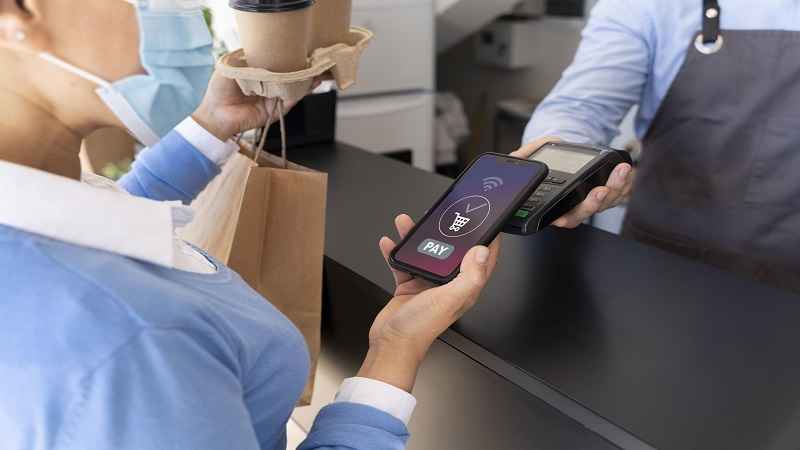
Digital payments have become a fundamental part of modern commerce. Consumers now expect transactions to be quick, secure, and available across multiple channels, whether they are shopping online, using mobile apps, or paying for subscription-based services. At the same time, businesses face increasing pressure to provide seamless payment experiences while meeting growing security and compliance requirements.
The payments landscape is also evolving rapidly. New technologies, changing customer expectations, and emerging payment methods are pushing companies to rethink how they process transactions. Organizations that rely on outdated systems often struggle with scalability, limited payment options, and integration challenges.
As a result, many businesses are investing in customized payment infrastructure that supports their long-term goals and provides the flexibility needed in a highly competitive digital environment.
Why Payment Infrastructure Matters More Than Ever
A payment gateway serves as the connection between customers, merchants, and financial institutions. It securely authorizes transactions and ensures that payment information moves safely between all parties involved. However, modern businesses require much more than basic payment processing capabilities.
Companies that want to expand into new markets or introduce innovative services often need tailored solutions that align with their specific business models. Building a customized payment platform allows organizations to integrate multiple payment methods, enhance security features, and improve the overall user experience.
For businesses considering how to create payment gateway solutions that match their operational needs, understanding the technical and regulatory requirements is a critical first step toward long-term success.
The Growing Demand for Personalized Payment Experiences
Today’s customers expect convenience and flexibility in every transaction. They want to pay using their preferred methods, whether that involves credit cards, digital wallets, bank transfers, or alternative payment systems. Businesses that fail to offer these options may lose customers to competitors that provide a smoother experience.
Customized payment gateways enable organizations to adapt quickly to changing consumer preferences. Instead of relying on a one-size-fits-all solution, businesses can develop systems that support multiple currencies, localized payment methods, and industry-specific requirements.
Personalization also extends beyond payment methods. Companies can streamline checkout processes, reduce friction, and implement features such as recurring billing and subscription management. These improvements not only increase customer satisfaction but can also drive higher conversion rates and long-term customer loyalty.
Security and Compliance Are Essential Priorities
The increase in digital transactions has also led to greater concerns about cybersecurity and data protection. Payment systems handle highly sensitive information, making them attractive targets for fraud and cyberattacks.
Businesses must comply with industry standards and regulations designed to protect customer data and ensure secure transactions. This includes implementing robust encryption, fraud detection systems, and compliance frameworks that address both local and international requirements.
Customized payment gateways often provide organizations with greater control over security measures. Companies can build systems that meet their specific risk management needs while maintaining compliance with evolving regulatory standards.
Investing in secure payment infrastructure not only protects customers but also strengthens a company’s reputation. Trust remains one of the most valuable assets in digital commerce, and secure payment experiences play a significant role in building that trust.
Scalability Supports Long-Term Business Growth
As businesses grow, their payment requirements become increasingly complex. Expanding into new markets, introducing additional products, or handling larger transaction volumes can place significant strain on existing payment systems.
A scalable payment gateway provides the flexibility needed to accommodate future growth without requiring a complete system overhaul. Organizations can add new payment methods, integrate with third-party services, and support international transactions more efficiently.
Scalability is particularly important for businesses operating in industries that experience rapid growth or seasonal fluctuations. A flexible payment infrastructure allows companies to respond quickly to changing demands while maintaining reliable and efficient transaction processing.
By investing in adaptable payment solutions early, organizations position themselves to seize new opportunities and remain competitive in an increasingly digital marketplace.
The Role of Technology in Payment Innovation
Emerging technologies continue to reshape the payments industry. Artificial intelligence, automation, and advanced analytics are helping businesses improve fraud detection, optimize transaction routing, and deliver more personalized customer experiences.
At the same time, the rise of embedded finance and open banking is creating new opportunities for organizations to integrate payment capabilities directly into their products and services. These innovations are encouraging businesses to adopt more flexible and customizable payment architectures.
Companies that embrace technological advancements can gain significant advantages in efficiency, customer satisfaction, and operational resilience. A modern payment gateway is no longer simply a transaction-processing tool—it has become a strategic asset that supports business innovation and growth.
Conclusion
The digital payments ecosystem continues to evolve, creating both opportunities and challenges for businesses across every industry. Customers expect fast, secure, and convenient payment experiences, while organizations need systems that can adapt to changing technologies and regulatory requirements.
Customized and scalable payment gateways provide businesses with the flexibility to meet these demands while supporting future growth. By investing in secure and adaptable payment infrastructure, organizations can improve customer experiences, strengthen operational efficiency, and remain competitive in a rapidly changing marketplace.
As digital commerce continues to expand, businesses that prioritize modern payment solutions will be better positioned to navigate future trends and deliver the seamless experiences that customers increasingly expect. See more.