
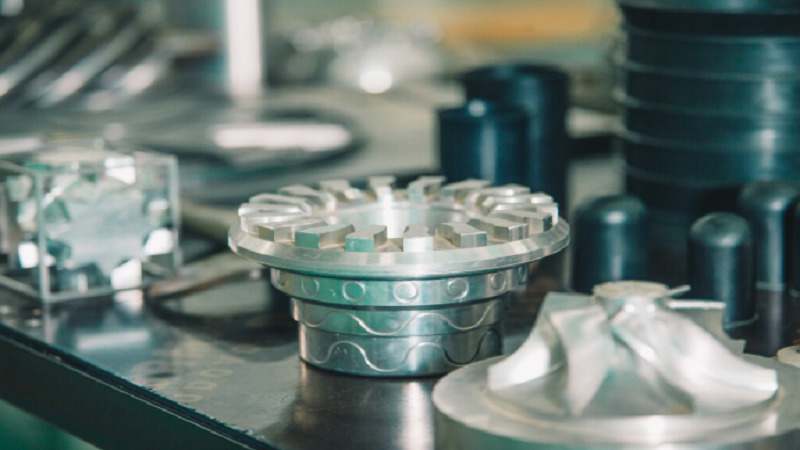
Metal has been the default material in mechanical engineering for a long time. Cast iron, mild steel, brass, aluminium- these are the materials most engineers grew up specifying. But over the past few decades, high-performance plastics have taken over a surprising number of applications where metal used to be the only option.
Weight Is Usually the First Reason Engineers Make the Switch
In any application where moving mass matters- automotive assemblies, conveyor systems, robotics- plastic wins on weight. Nylon 6, for example, comes in at around 1.15 g/cm³ compared to aluminium at roughly 2.7 g/cm³. That difference adds up quickly when you’re producing large volumes or building components that get repeated thousands of times in a machine cycle.
Weight reduction also has a knock-on effect on energy use. Lighter moving parts reduce inertia, which means smaller motors can be used and less energy is consumed over the life of the equipment. That’s an argument that’s hard to ignore when running costs are part of the brief.
Corrosion Resistance Without Extra Treatment
Metal components in wet, chemical, or outdoor environments need protecting. That means coatings, platings, anodising, or regular maintenance schedules. Plastics don’t rust; they won’t oxidise, and many grades are chemically inert across a wide range of fluids and environments.
Polypropylene, for instance, handles exposure to acids, alkalis and many solvents without any surface treatment at all. Polyethylene performs similarly well in wet environments. For food processing, chemical handling or marine applications, that kind of inherent resistance cuts both upfront cost and ongoing maintenance.
How Engineers Actually Source and Machine These Materials
Most in-house or prototype component work starts with cut-to-size engineering plastics in sheet or rod form. Ordering stock in the exact dimensions you need removes waste and speeds up the time from drawing to first part. Materials like Acetal and Nylon are widely available in this format and machine well on standard CNC equipment.
Machining plastic is generally faster than metal. Cutting speeds are higher, tools last longer, and there’s no need for coolant in many cases. Acetal in particular has long been a favourite for small precision components because it holds tight tolerances and produces a clean surface finish without a great deal of secondary work.
PEEK for High-Temperature and High-Load Applications
Where temperature or mechanical load rules out commodity plastics, PEEK (Polyetheretherketone) is often the answer. It retains its strength at temperatures above 250°C and has a stiffness comparable to some aluminium alloys. It’s used in aerospace, medical devices and high-cycle industrial machinery precisely because it combines the machinability of plastic with mechanical properties that start to rival metal.
The trade-off is cost. PEEK is significantly more expensive than Nylon or Acetal, so it tends to be reserved for applications where its properties are genuinely needed rather than used as a blanket substitution.
Overall Summary
The shift from metal to plastic in machine components isn’t a trend; it’s a design decision made repeatedly across industry because the numbers add up. Lower weight, built-in corrosion resistance, faster machining and competitive material costs have made high-performance plastics the sensible choice for a wide range of parts that once defaulted to metal.
The materials have matured, the supply chains are reliable, and the engineering data is well established. For anyone specifying components today, the question isn’t really whether to consider plastic; it’s which grade fits the application. See more.