
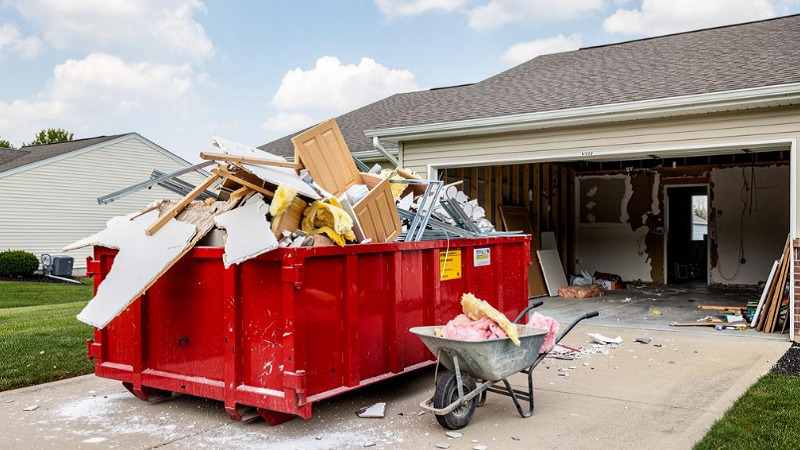
DIY home renovation projects can be rewarding and cost-effective, but they also require careful planning to keep the work organized and safe. Whether homeowners are remodeling a bathroom, updating a kitchen, replacing flooring, finishing a basement, or tackling a whole-house improvement project, construction debris begins accumulating almost immediately. Old cabinets, drywall, flooring, trim, fixtures, insulation, and packaging materials can quickly fill work areas if there is no plan for disposal.
While many homeowners focus on tools, materials, and project costs, waste management is another important part of a successful renovation. A well-planned residential dumpster rental helps keep workspaces organized, reduces unnecessary clutter, and supports a safer environment throughout the project.
Why DIY Renovations Produce More Debris Than Expected
Many homeowners underestimate how much waste even a modest renovation can create. Removing old flooring, cabinets, countertops, drywall, fixtures, and trim often produces several large piles of debris before new construction even begins.
As the project moves forward, additional waste is created from packaging, cutoffs, damaged materials, and installation scraps. Because DIY renovations often take place over several weekends or evenings, debris can remain on the property much longer than it would during a contractor-managed project.
Without an organized disposal solution, clutter can continue growing throughout the renovation.
Planning Waste Removal Before Starting the Project
One of the simplest ways to improve a DIY renovation is to develop a waste management plan before demolition begins. Homeowners should estimate the amount of debris the project will generate and determine how it will be removed as work progresses.
Planning helps identify the right disposal solution, establish debris pathways, and prevent work areas from becoming overcrowded. Starting with a cleanup strategy also allows homeowners to focus more attention on the renovation itself instead of constantly trying to find places to store construction waste.
Preparation supports a smoother and more organized project.
Keeping Walkways and Work Areas Clear
Construction debris left on floors, stairs, or walkways can make a renovation more difficult to manage. Pieces of drywall, lumber, trim, broken tile, and discarded materials can reduce available workspace and make it harder to move safely around the project.
Regularly removing debris into a designated dumpster helps keep work areas open throughout construction. Clear pathways also make it easier to transport tools, materials, and supplies from one part of the home to another.
Maintaining an organized workspace supports a more efficient renovation experience.
Managing Demolition Debris Efficiently
The demolition phase often creates the largest amount of waste during a DIY project. Old flooring, cabinets, fixtures, drywall, and trim can accumulate surprisingly quickly, especially when several rooms are being updated.
Instead of creating temporary debris piles throughout the home or garage, homeowners can move materials directly into a centralized disposal container. Continuous cleanup keeps the renovation organized and reduces the need to handle the same materials multiple times.
Efficient demolition cleanup helps prepare the home for rebuilding sooner.
Using a Centralized Disposal System
A residential dumpster provides a convenient central location for all construction debris throughout the project. Rather than filling garbage cans, stacking materials in the driveway, or making repeated trips to disposal facilities, homeowners can dispose of waste as it is generated.
Working with providers such as Temporary Dumpster gives homeowners access to disposal solutions that support DIY renovations of many different sizes. A centralized dumpster simplifies cleanup while helping keep the property organized from beginning to end.
This approach allows homeowners to spend more time on the renovation and less time managing waste.
Reducing Repeated Material Handling
One common mistake during DIY renovations is creating temporary debris piles that must later be moved again. This repeated handling adds unnecessary work and increases the amount of time required to complete the project.
Moving debris directly into a dumpster eliminates extra cleanup steps and allows homeowners to maintain a more organized work environment. Less handling also helps preserve energy for the renovation tasks themselves.
Simple workflow improvements often make large projects feel much more manageable.
Keeping Outdoor Areas Organized
DIY renovations frequently spread beyond the interior of the home. Debris may begin accumulating in driveways, garages, patios, or yards as homeowners search for temporary storage locations.
A dedicated dumpster helps contain construction waste in one location instead of allowing materials to spread across the property. Keeping outdoor spaces organized also helps maintain curb appeal and makes it easier to continue using portions of the property throughout the renovation.
Organization outside the home is just as important as organization indoors.
Managing Packaging From New Materials
New flooring, cabinets, fixtures, appliances, windows, and building materials often arrive with large amounts of cardboard, plastic wrap, foam, and protective packaging.
These materials can consume valuable workspace if they are not removed regularly. Disposing of packaging throughout the project helps preserve staging areas and keeps newly delivered materials organized for installation.
Packaging management is an important part of maintaining an efficient renovation.
Supporting Longer DIY Project Timelines
Unlike professional construction crews, many homeowners complete renovations over several weeks or months while balancing work and family responsibilities. This extended timeline means debris can remain on-site much longer if cleanup is not addressed consistently.
Having a dumpster available throughout the renovation allows homeowners to remove waste as each work session ends. Continuous cleanup prevents clutter from building up between weekends and helps keep the project manageable over time.
Steady progress is easier to maintain in an organized environment.
Adapting to Unexpected Discoveries
DIY renovations often uncover hidden problems once demolition begins. Water damage, deteriorated framing, outdated wiring, plumbing repairs, or additional remodeling opportunities can all increase the amount of debris generated.
Homeowners should remain flexible and be prepared for waste volumes to grow beyond original estimates. Having an established disposal solution makes it much easier to adjust when unexpected conditions arise.
Preparation helps reduce stress as the project evolves.
Maintaining a More Professional-Looking Project
Although homeowners are completing the work themselves, maintaining a clean and organized project still matters. Family members, neighbors, visitors, and even future contractors may see the renovation while it is in progress.
Regular cleanup helps create a more professional appearance and allows homeowners to better monitor the quality of their work. Organized projects are often easier to manage and more enjoyable to complete.
A clean workspace contributes to greater confidence throughout the renovation.
Avoiding Common DIY Cleanup Mistakes
Several common mistakes can make DIY renovations more difficult than necessary. These include underestimating debris volume, allowing waste to accumulate inside the home, relying on small trash containers, and waiting until the end of the project to begin cleanup.
Another frequent issue is repeatedly moving debris from room to room instead of disposing of it immediately.
Avoiding these mistakes requires a simple cleanup routine, consistent organization, and a disposal solution that can support the entire project.
Attention to waste management helps improve the overall renovation experience.
Supporting More Successful DIY Renovations
Residential dumpster rentals contribute directly to better-organized home improvement projects. When debris is removed consistently, work areas remain cleaner, tools and materials stay accessible, and homeowners can focus more attention on completing quality work.
This leads to improved organization, fewer interruptions, and a more enjoyable renovation process from start to finish. Planning for waste removal early also helps homeowners avoid many of the frustrations that often accompany larger DIY projects.
Efficiency improves when cleanup is built into the renovation plan.
DIY home renovations generate substantial amounts of debris that can quickly overwhelm a project without proper planning. From demolition materials and packaging to installation scraps and unexpected repairs, waste management plays an important role in keeping renovations organized and manageable.
By planning disposal before construction begins, maintaining a centralized dumpster, removing debris continuously, and adapting to changing project conditions, homeowners can create a cleaner and more efficient work environment throughout their renovation.
When waste management is treated as an essential part of the project instead of an afterthought, DIY renovators can complete home improvements with greater organization, better workflow, and a safer overall renovation experience.